


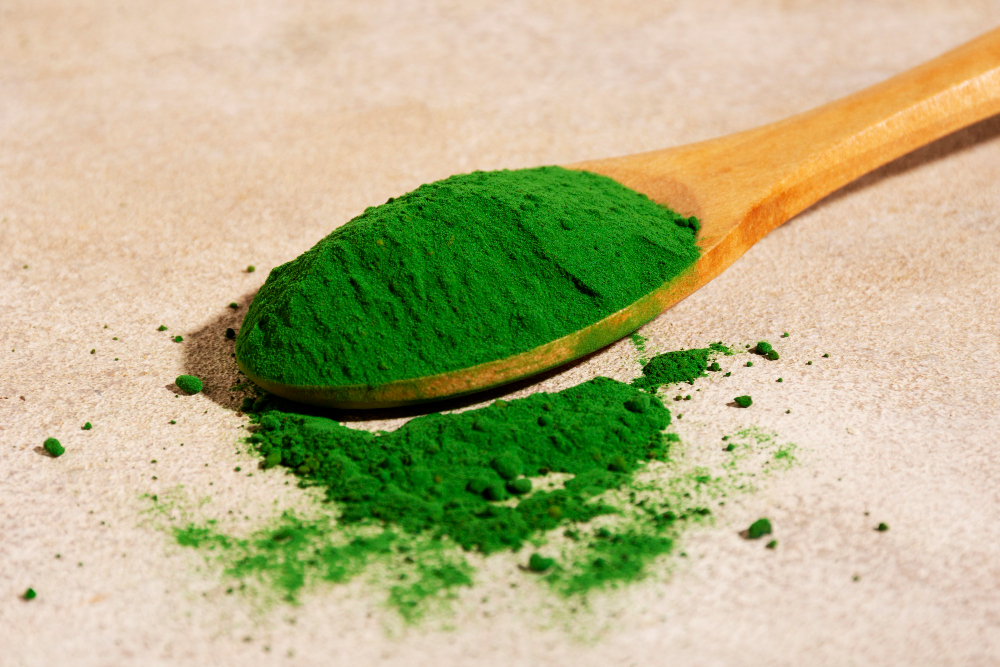
Spirulina: a natural dietary supplement – science and benefits
Spirulina is one of the natural dietary supplements that has attracted the most attention from researchers and nutritionists in recent decades, owing to its exceptional nutritional density and wide range of scientifically documented health benefits. In this article, we provide a detailed overview of what spirulina is, its nutritional components, the key findings from scientific studies regarding its benefits, as well as guidelines for safe use.
What is spirulina?
Spirulina is a microorganism belonging to the cyanobacteria group. It grows in highly alkaline aquatic environments, such as salt lakes in tropical and subtropical regions; its most notable natural habitats include Lake Chad in Africa and the lakes of Mexico.
The Aztecs used this algae as a staple food for centuries, and following its scientific rediscovery in the 1960s by French researchers, it has been cultivated commercially on a large scale for use as a dietary supplement. The Food and Agriculture Organisation of the United Nations has classified it as one of the most nutrient-rich whole foods.
The Nutritional Composition of Spirulina
Spirulina’s nutritional excellence is attributed to its complex and balanced chemical composition; approximately every 10 grams contains:
- Protein: Spirulina consists of between 55% and 70% complete protein containing all eight essential amino acids, making it one of the richest plant sources of complete protein, surpassing many animal proteins in this respect.
- Phycocyanin: This is the distinctive blue pigment found in spirulina and is considered one of the most powerful antioxidants known. Research has shown that it possesses anti-inflammatory properties and significantly stimulates the immune system.
- Vitamins: It contains a complete range of B vitamins (B1, B2, B3, B6, B9, B12), as well as vitamin A in the form of beta-carotene, vitamin E and vitamin K.
- Minerals and trace elements: Iron, calcium, magnesium, potassium, manganese, chromium and zinc — all in forms that are readily absorbed.
- Essential fatty acids: It contains, in particular, gamma-linolenic acid (GLA), which is a rare fatty acid with multiple benefits for heart and immune system health.
- Additional antioxidants: beta-carotene, tocopherol (vitamin E), and zeaxanthin — compounds that protect the body’s cells from oxidative damage.
Health benefits backed by scientific research
1. Boosting energy levels and improving cellular function
Spirulina helps improve the function of the body’s cells through two main mechanisms: improving oxygen consumption at the cellular level and raising levels of oxygen-carrying haemoglobin. Clinical studies have indicated a marked reduction in feelings of mental and physical fatigue among users following regular periods of use.
2. Immune system support
Phycocyanin is the most distinctive component of spirulina from an immunological perspective; it stimulates the production of T cells and natural killer cells, and reduces the secretion of inflammatory cytokines. Multiple studies have shown that regular consumption of spirulina is associated with an improved immune response to external factors.
3. Protection against oxidation and cellular anti-ageing
Spirulina ranks among the highest-scoring foods on the Oxygen Radical Absorbance Capacity (ORAC) scale, the scientifically recognised measure for assessing antioxidant efficacy. This property makes it effective in protecting cells from oxidative damage associated with premature ageing and chronic diseases.
4. Support for cardiovascular health
Clinical studies have observed improvements in blood lipid profiles among participants who took spirulina at regular doses, including a reduction in total cholesterol and triglyceride levels, and an increase in HDL (good cholesterol). A positive effect on systolic blood pressure was also noted.
5. Supporting iron levels and treating iron deficiency
As it contains plant-based iron with good bioavailability — particularly in the presence of vitamin C, which enhances this absorption — spirulina is considered a supportive supplement for women and those on plant-based diets who are at risk of iron deficiency and the anaemia it causes.
6. Athletic performance and muscle recovery
In 2025, the Arab Academy for Sports Nutrition published a scientific review suggesting that spirulina may reduce muscle damage caused by oxidative stress associated with intense exercise, thanks to phycocyanin and other antioxidants. Some studies have also indicated a slight reduction in heart rate at the lactate threshold when spirulina was consumed, compared to the control group.
Spirulina in Marnys® Espiginjal
Marnys® Espiginjal combines spirulina with two scientifically proven natural ingredients:
- Korean ginseng: one of the most extensively studied herbs in the world, known for its adaptogenic properties and its ability to improve concentration and mental performance.
- Royal jelly: Contains the exclusive 10-HDA compound and a complete range of proteins and amino acids that support energy and hormonal balance.
This triple synergy between spirulina, ginseng and royal jelly forms a comprehensive formula to support natural energy, immunity and overall function without resorting to artificial stimulants.
Frequently asked questions
Is spirulina suitable for a vegetarian diet?
Yes, spirulina is a 100% natural plant-based source and is considered one of the best supplements for addressing protein, iron and vitamin B12 deficiencies in vegetarian diets.
Can it be taken daily over the long term?
The scientific evidence available to date suggests that daily use at the recommended doses is safe. However, it is advisable to consult a doctor in the event of prolonged use.
How long does it take for the health benefits of spirulina to become apparent?
Individual responses vary; however, most clinical studies have observed an improvement in measured health indicators after a period of between 4 and 8 weeks of regular use.
Can spirulina be combined with ginseng and royal jelly?
Yes, this combination is well-researched, safe and available in Marnys’ Espigengal formula, where each ingredient enhances the efficacy of the others through synergistic pathways.


